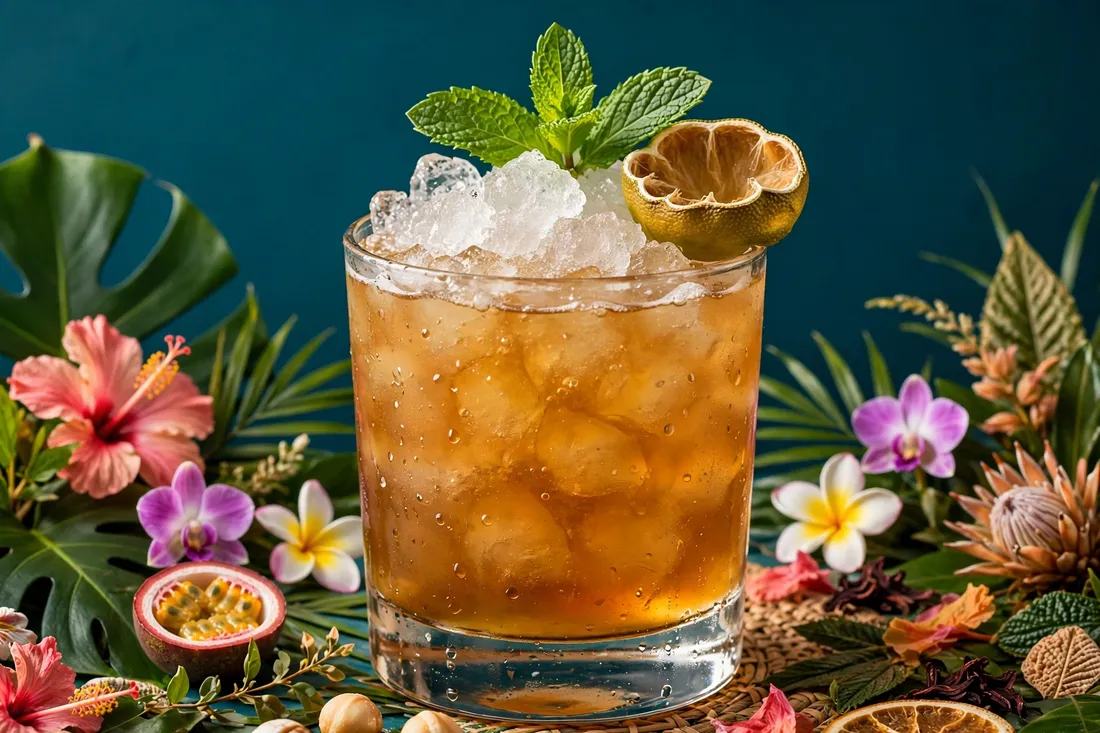
Zero Proof Drinks When Pregnant: The Honest Guide
The honest guide to zero proof drinks in pregnancy: what official guidance actually says, how to read a label for trace alcohol, and the no bottle drinks that keep the ritual intact.
Published October 20, 2026
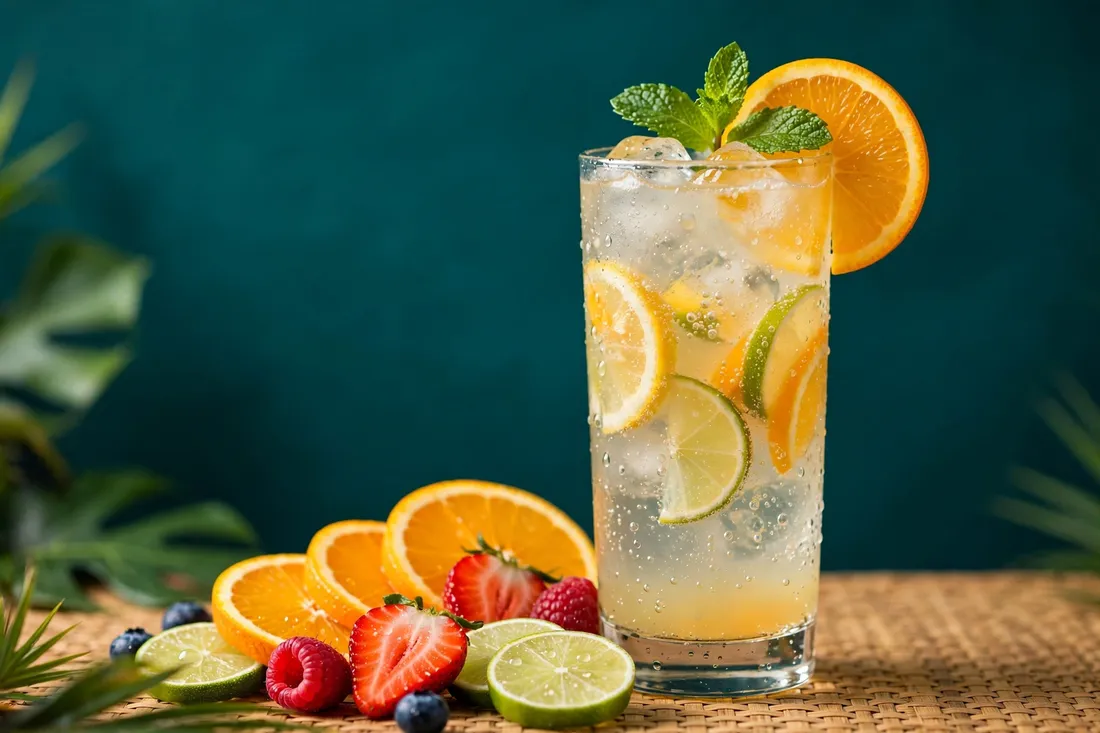
Pregnancy changes the drink in your hand, but it does not have to take away the glass, the garnish or the six in the evening ritual. It does ask for more care than a regular zero proof drink, because the rules here are stricter and the labels are looser than they should be. This guide is the honest version: what official guidance says, where trace alcohol hides, and the drinks on this site that need no bottle and no second guessing. No judgment lives on this page. Only clear information and good drinks.
What does official guidance say about alcohol in pregnancy?
Health Canada and the United States Centers for Disease Control and Prevention both say there is no known safe amount of alcohol in pregnancy, no safe time to drink it, and no safe type, so the safest choice is not to drink alcohol at all. Everything below starts from that line, and this page is general information only, never a substitute for the advice of your own care provider.
The label check that matters most
Zero proof sounds absolute. Labels are not. In many markets a drink can be sold as non alcoholic with up to 0.5 percent alcohol by volume inside, and a drink described as dealcoholized started as a full strength drink and had most, not all, of its alcohol removed. A drink labelled 0.0 percent is the one making the zero claim. Read the small print on the back, not just the big words on the front.
| Label wording | What it can mean | A careful approach in pregnancy |
|---|---|---|
| 0.0 percent ABV | No alcohol in the finished drink | The clearest choice |
| Non alcoholic | Up to 0.5 percent ABV in many markets | Read the back label before you pour |
| Dealcoholized | Alcohol was made, then mostly removed | Treat as trace alcohol unless it also says 0.0 percent |
| Alcohol free | Rules vary by market | Confirm the percent printed on the bottle |
This is also why the no bottle path is so useful in pregnancy. Soda water has no label puzzle. Fresh citrus has no label puzzle. A homemade shrub or a jar from Simple Syrup Five Ways is made in your kitchen, from ingredients you chose, and its alcohol content is exactly the amount you put in, which is none.
The drinks that deserve a second look
Traditional bitters. Most classic bitters are alcohol based extracts. The amount in one drink is tiny, but tiny is not zero, and the conservative call during pregnancy is to skip them or swap in an alcohol free bitters style product whose label you have read. The Dry January Starter Kit works just as well with that swap in mind.
Kombucha. Many kombuchas carry trace alcohol from fermentation, and many are sold unpasteurized. Labels and batches vary, so this is one to raise with your care provider rather than decide from a marketing claim.
Botanical and functional drinks. A growing shelf of zero proof drinks adds herbs and adaptogens and promises calm or focus. Many of those ingredients have very little research behind them in pregnancy. Absence of evidence is not evidence of safety, so treat any ingredient you do not recognize as a question for your care provider, not as a selling point.
Coffee based drinks. A virgin espresso martini style serve is a lovely thing, but coffee brings caffeine with it, and caffeine totals for the whole day are part of pregnancy guidance from most providers. The easy fix is decaf espresso, which keeps the flavour and the foam and leaves your daily total alone.
Canned and bottled mocktails. Ready to drink cans are convenient, and their labels run the full range from 0.0 percent to 0.5 percent, with ingredient lists to match. The can is fine. The habit to build is reading it first, every brand, every time, because one brand tells you nothing about the next.
Five no bottle drinks that keep the ritual
Each of these is built from ordinary ingredients, carries no trace alcohol, and still arrives looking like a drink made on purpose.
The shrub spritz. One ounce of a fruit shrub over big ice, topped with soda water, finished with a citrus wheel. Bright, tart and grown up, and the shrub method is all in the shrubs guide.
The mint and lime cooler. Mint pressed gently with lime juice and a half ounce of simple syrup, topped with soda in a tall glass. It is the no bottle heart of a Virgin Mojito, using that recipe and its fallback instead of any bottle.
The ginger citrus pour. A ginger beer labelled 0.0 percent over ice with fresh lime, in the spirit of a Virgin Moscow Mule built on its no bottle path. Ginger also has a long folk reputation for settling a queasy stomach, which does this drink no harm at all.
The berry garden soda. Muddled berries, lemon juice, a touch of honey syrup and soda water, crowned with mint. It photographs beautifully and tastes like a garden party.
The spiced apple fizz. Apple juice, spiced syrup, lemon juice and soda, with a cinnamon stick for theatre. Warm spice without a drop of anything to check.
At a restaurant or a party
You do not owe anyone an explanation, and you do not have to accept a mystery pour. Ask for soda water, citrus and mint in a wine glass or a coupe, and the table sees a drink, not a discussion. If a bartender offers a zero proof bottle, a simple question does the work: is that one zero point zero percent? Good bartenders know their labels and respect the question. If the answer is vague, the no bottle build is always there, and it is always delicious.
If you drank before you knew
Many people drink in the first weeks before a pregnancy is confirmed. Guidance from the CDC is plain on this point: stopping at any point in pregnancy is beneficial, and it is never too late to stop. If this is part of your story, tell your care provider, accept the support on offer, and let this page be about the drinks in front of you now, not the ones behind you.
The bottom line
In pregnancy, zero should mean zero. Read the percent on the label, favour 0.0 percent bottles when you use a bottle at all, leave traditional bitters and mystery botanicals for later, and lean on the no bottle drinks that this site was built around. The ritual survives. The glass stays beautiful. And every ingredient in it is one you chose on purpose.
Questions, Answered
Are zero proof drinks safe when pregnant?
Only the ones that are truly zero. Official guidance says there is no known safe amount of alcohol in pregnancy, and many drinks sold as non alcoholic can contain up to 0.5 percent alcohol by volume. Choose products labelled 0.0 percent, or build no bottle drinks from soda, citrus, syrups and shrubs, and ask your care provider about anything you are unsure of.
What does 0.5 percent ABV mean on a label?
It means the drink can contain up to half a percent of alcohol by volume. That is a small amount for most adults, but it is not zero. In pregnancy, where guidance says no amount is known to be safe, many people choose to treat 0.5 percent as a pass and look for 0.0 percent instead.
Are bitters okay in a mocktail when pregnant?
Traditional bitters are made with alcohol, often at a strength similar to a spirit, and a few drops still add alcohol to the glass. The conservative choice is to leave traditional bitters out during pregnancy, or use a product clearly labelled alcohol free, and let citrus, shrubs and spice syrups do the flavour work instead.
What can I drink at a party that still feels like a real drink?
Ask for soda water over big ice with lime and mint, a shrub spritz, or a ginger drink built with a ginger beer labelled 0.0 percent. Served in a proper glass with a garnish, each one keeps the ritual, the sparkle and the flavour, with nothing to second guess later.